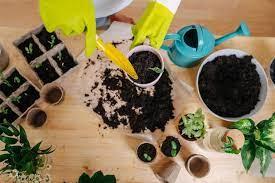
1. Start with Healthy Soil
Good gardening begins with the soil. Enrich it with compost or organic matter to improve drainage, texture, and nutrients. Healthy soil = healthy plants.
2. Choose the Right Plants
Pick plants suited to your climate, season, and sunlight conditions. Native plants usually grow better with less effort and attract local pollinators.
3. Water Wisely
-
Early morning or late evening watering reduces evaporation.
-
Deep watering once or twice a week is better than frequent shallow watering.
-
Always water at the base, not the leaves, to avoid fungal diseases.
4. Practice Mulching
A layer of mulch around plants helps retain moisture, prevent weeds, and regulate soil temperature. Use organic mulch like leaves, bark, or straw.
5. Companion Planting
Grow plants that benefit each other together—for example, basil with tomatoes (repels pests), or marigolds with vegetables (keeps insects away).
6. Regular Pruning & Weeding
-
Remove dead or diseased branches to encourage healthy growth.
-
Pull out weeds regularly—they compete for nutrients and water.
7. Natural Pest Control
Avoid harsh chemicals. Use neem oil, garlic spray, or introduce beneficial insects (like ladybugs) to keep pests in check.
8. Feed Your Plants
Use organic fertilizers (compost tea, seaweed, manure) to keep plants nourished. Feed more during the active growing season.
9. Rotate Crops (for vegetable gardens)
Don’t plant the same crop in the same spot every year. Rotating reduces soil depletion and prevents pest buildup.
10. Be Patient & Observe
Gardening takes time. Watch how your plants respond, adjust care as needed, and enjoy the process of growth.