1. Right Light Matters
-
Place plants where they get the required sunlight (bright, indirect, or low-light depending on the species).
-
Rotate your plant every few weeks so it grows evenly.
2. Don’t Overwater
-
Most plants prefer soil that dries slightly between watering.
-
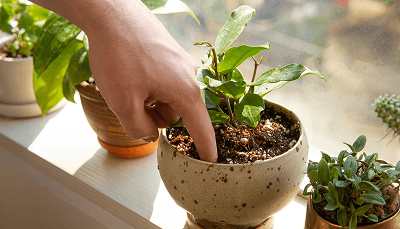
Always check the top 1–2 inches of soil—if it’s dry, water; if damp, wait.
-
Use pots with drainage holes to avoid root rot.
3. Use the Right Soil
-
Indoor plants: use a lightweight, well-draining potting mix.
-
Succulents/cacti: sandy mix.
-
Flowering plants: nutrient-rich soil.
4. Fertilize Smartly
-
Feed plants every 4–6 weeks during their growing season (spring/summer).
-
Use balanced liquid fertilizer; reduce or stop feeding in winter.
5. Pruning & Cleaning
-
Trim yellow or dead leaves regularly.
-
Dust off leaves with a damp cloth—clean leaves absorb light better.
-
Pinch off flowers (for some plants) to encourage new growth.
6. Temperature & Humidity
-
Keep plants away from heaters, AC vents, and cold drafts.
-
Many tropical plants love humidity—use a spray bottle or humidifier.
7. Pest Prevention
-
Check undersides of leaves for bugs.
-
Use neem oil or mild soapy water as natural pest control.
-
Quarantine new plants for a week before mixing with others.
8. Right Pot Size
-
Don’t rush to repot—plants like being a little root-bound.
-
When roots poke out of the pot, move to a pot 1–2 inches bigger.
9. Consistency is Key
-
Create a watering schedule but adjust for seasons.
-
Observe your plant’s leaves—they show if the plant is happy or stressed.
10. Know Your Plant
-
Every plant is different. A cactus and a fern won’t need the same care.
-
Always check the care guide for your specific plant species.